Safe Passage Precinct

Safe Passage Precinct

SA's first semi-permanent street experiment

Cape Town, Western Cape

Bree St Experment
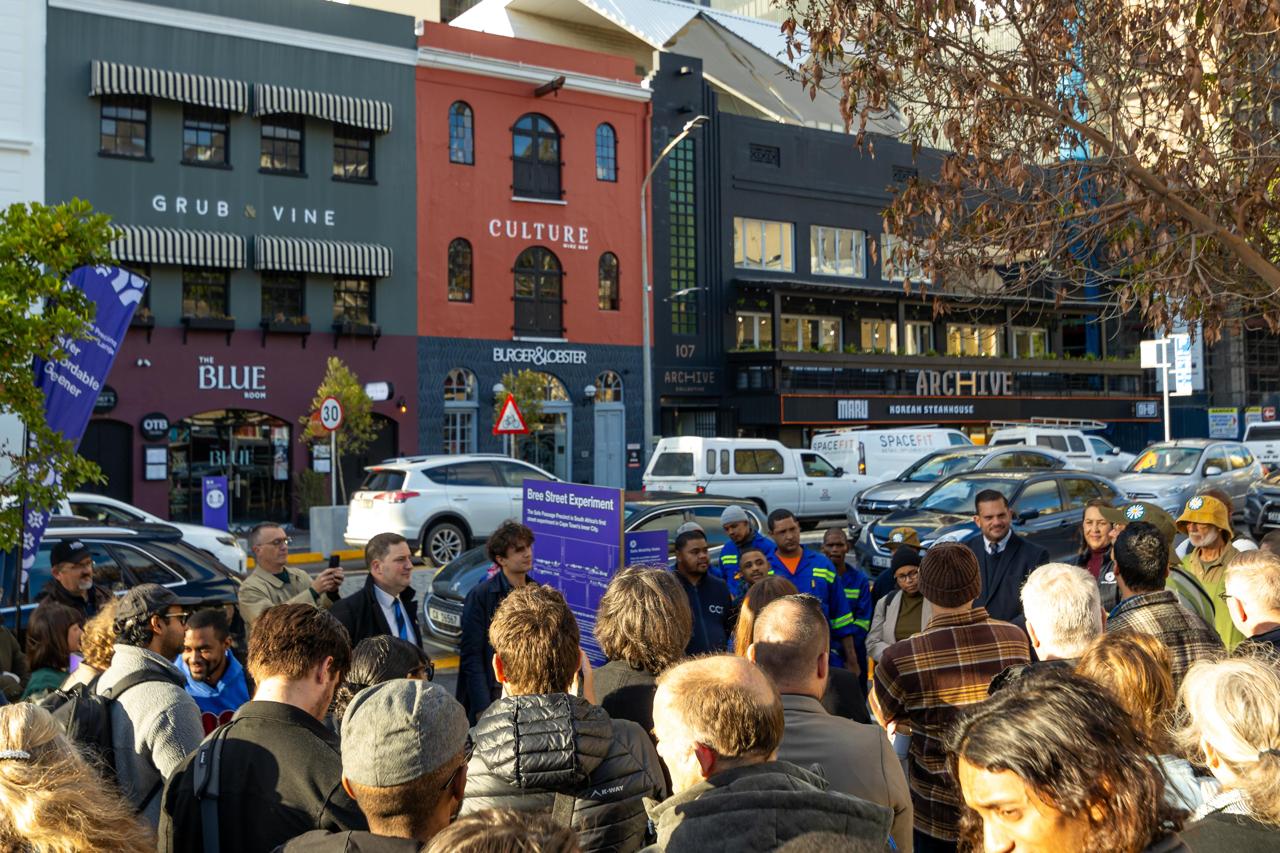
The Safe Passage Precinct is South Africa’s first street experiment, rethinking how streets can function through temporary, evidence based urban interventions. Located on Bree Street between Wale and Shortmarket Streets in Cape Town, the six month pilot forms part of the broader Safe Passage Programme and the long term Safe Passage route connecting the Cape Town CBD to Langa.

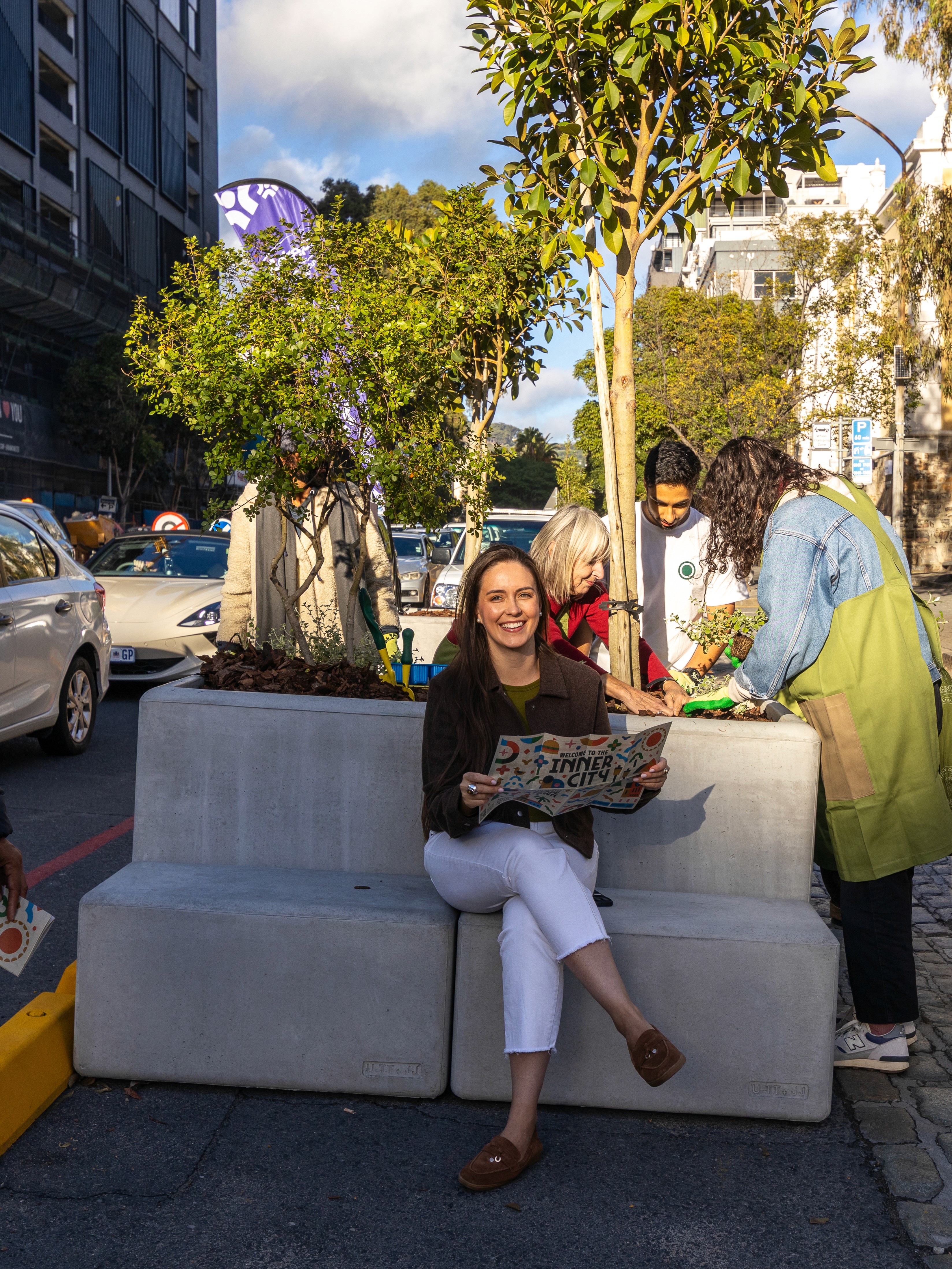
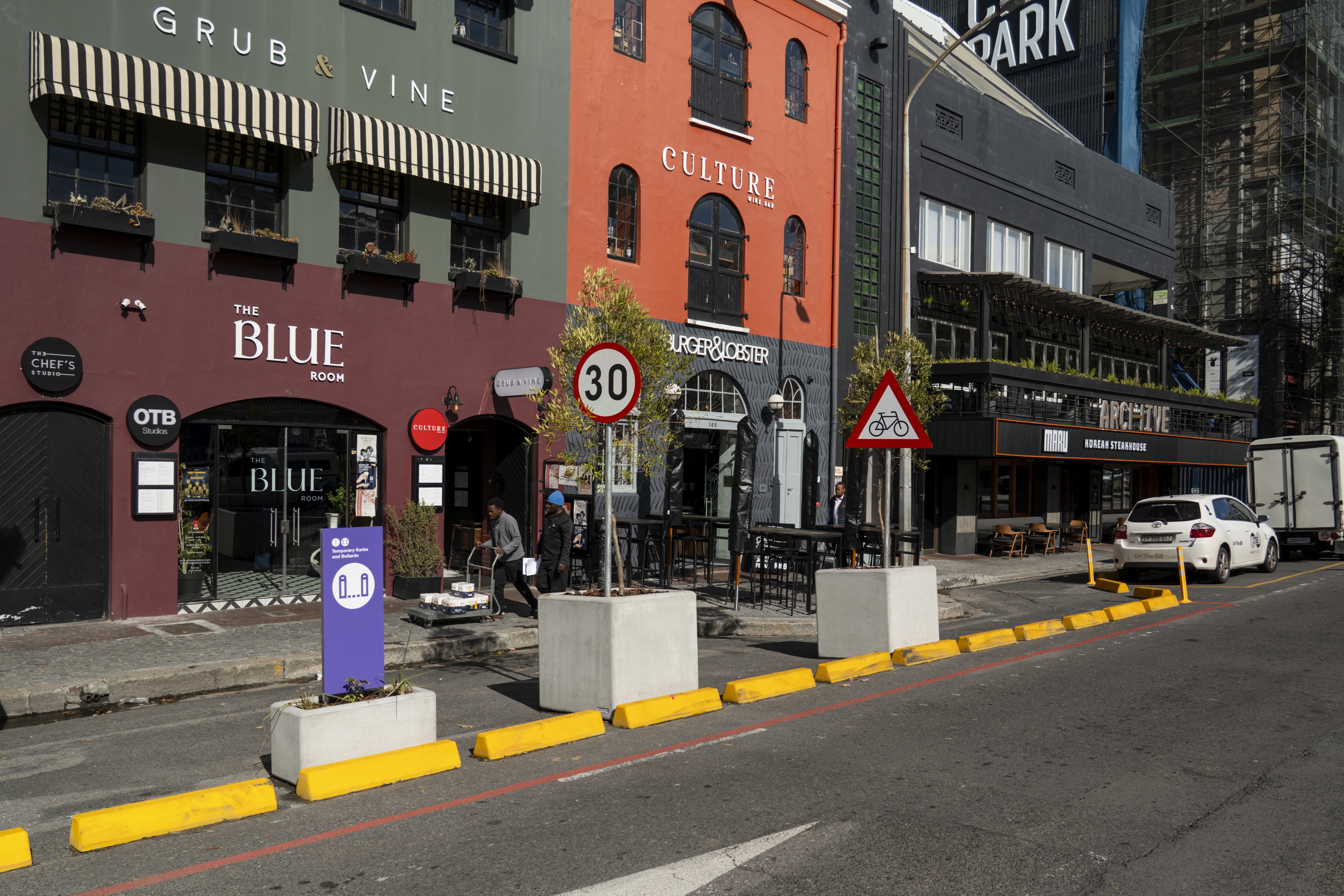
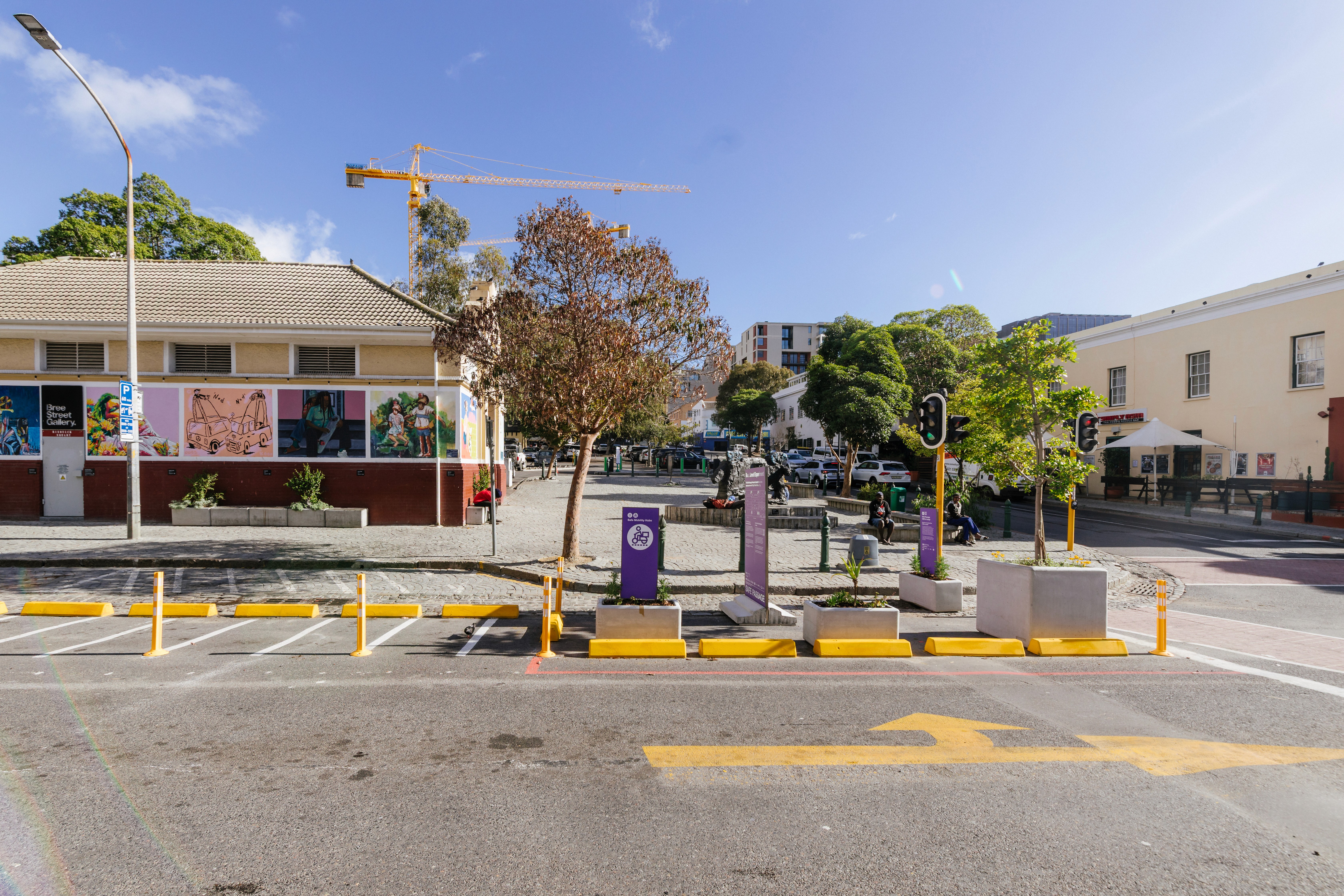
The project temporarily reallocates road space to create a calmer, safer, and more accessible street environment while maintaining vehicle access in both directions. Through lane narrowing, temporary delineator kerbs, bollards, landscaping, removable seating, and formalised loading bays, the intervention tests how public space can better support pedestrians, cyclists, local businesses, delivery riders, and everyday street life.

The Safe Passage Precinct is designed as a live public participation and monitoring process. Instead of relying only on drawings and reports, the street itself becomes the testing ground. Traffic movement, pedestrian activity, business feedback, loading operations, safety, and public perception are monitored throughout the pilot to understand what works before permanent infrastructure investment is considered.

The project directly tests elements proposed in the City of Cape Town’s CBD Mobility and Accessibility Plan, where Bree Street is identified as a future “Special Activity Street.” It demonstrates how tactical urbanism can be used to improve road safety, reduce vehicle speeds, rebalance street space toward people, and strengthen local economic activity while maintaining access and functionality.

The intervention was made possible through extensive collaboration between Young Urbanists NPC, SDI Trust, the City of Cape Town, the Cape Town Central City Improvement District, The Mission for Inner City Cape Town, local businesses, property owners, and multiple City departments including Roads Infrastructure Management, Transport Planning and Network Management, Urban Mobility, and Parks and Recreation.

The Safe Passage Precinct also forms part of a broader strategy to improve safer cycling and pedestrian connections between Langa and the CBD, including future interventions along the Albert cycling corridor and other critical missing links between underserved communities and economic opportunities.

The project is privately funded, with support from the Mayor’s discretionary fund, SDI Trust, The Mission for Inner City Cape Town, and the Cape Town Central City Improvement District. It demonstrates a new model for how public and private sector collaboration can deliver safer, greener, and more economically productive streets in South Africa.

The Safe Passage Programme is delivered through a public private partnership model that blends public investment with private sector support. The commercial model focuses on long term sustainability through corporate sponsorships, ESG aligned funding, branding rights, and outdoor advertising integrated into Safe Passage routes and infrastructure. These assets create value for partners while directly funding safer streets and ongoing maintenance.

Adreach is our media partner, enabling the rollout of commercial opportunities across the network. For partnership and opportunities, contact ryan@adreach.co.za.

The Safe Passage Precinct is South Africa’s first street experiment, rethinking how streets can function through temporary, evidence based urban interventions. Located on Bree Street between Wale and Shortmarket Streets in Cape Town, the six month pilot forms part of the broader Safe Passage Programme and the long term Safe Passage route connecting the Cape Town CBD to Langa.

The project temporarily reallocates road space to create a calmer, safer, and more accessible street environment while maintaining vehicle access in both directions. Through lane narrowing, temporary delineator kerbs, bollards, landscaping, removable seating, and formalised loading bays, the intervention tests how public space can better support pedestrians, cyclists, local businesses, delivery riders, and everyday street life.

The Safe Passage Precinct is designed as a live public participation and monitoring process. Instead of relying only on drawings and reports, the street itself becomes the testing ground. Traffic movement, pedestrian activity, business feedback, loading operations, safety, and public perception are monitored throughout the pilot to understand what works before permanent infrastructure investment is considered.

The project directly tests elements proposed in the City of Cape Town’s CBD Mobility and Accessibility Plan, where Bree Street is identified as a future “Special Activity Street.” It demonstrates how tactical urbanism can be used to improve road safety, reduce vehicle speeds, rebalance street space toward people, and strengthen local economic activity while maintaining access and functionality.

The intervention was made possible through extensive collaboration between Young Urbanists NPC, SDI Trust, the City of Cape Town, the Cape Town Central City Improvement District, The Mission for Inner City Cape Town, local businesses, property owners, and multiple City departments including Roads Infrastructure Management, Transport Planning and Network Management, Urban Mobility, and Parks and Recreation.

The Safe Passage Precinct also forms part of a broader strategy to improve safer cycling and pedestrian connections between Langa and the CBD, including future interventions along the Albert cycling corridor and other critical missing links between underserved communities and economic opportunities.

The project is privately funded, with support from the Mayor’s discretionary fund, SDI Trust, The Mission for Inner City Cape Town, and the Cape Town Central City Improvement District. It demonstrates a new model for how public and private sector collaboration can deliver safer, greener, and more economically productive streets in South Africa.

The Safe Passage Programme is delivered through a public private partnership model that blends public investment with private sector support. The commercial model focuses on long term sustainability through corporate sponsorships, ESG aligned funding, branding rights, and outdoor advertising integrated into Safe Passage routes and infrastructure. These assets create value for partners while directly funding safer streets and ongoing maintenance.

Adreach is our media partner, enabling the rollout of commercial opportunities across the network. For partnership and opportunities, contact ryan@adreach.co.za.

The Safe Passage Precinct is South Africa’s first street experiment, transforming Bree Street in Cape Town into a safer, more people focused public space through temporary urban interventions. The six month pilot tests how lane narrowing, landscaping, seating, traffic calming, and improved pedestrian and cycling conditions can support safer movement, local businesses, and better public space while maintaining vehicle access. The project forms part of the broader Safe Passage Programme connecting the Cape Town CBD to Langa through safer and more accessible mobility infrastructure

HOW TO GET INVOLVED OR SUPPORT US

Donate
Become a member
Volunteer
Join our WhatsApp community
Subscribe to our Substack

Want to talk?

Want to talk?

Call Roland 076 451 8656

Call Roland 076 451 8656

Community/Education/Change

roland@youngurbanist.co.za

Public Participation Proces Monitoring and Evaluation Process Street Experiments in the Inner City and Langa Upgrades to the Albert Cycling Lane Making the section between Langa and Athlone safer

We Advocate for Infrastructure, not paint. Fueled by Young Urbanists and the Bicycle Mayor of Cape Town

Become a Member

Join Young Urbanists as a member or support our movement

© Young Urbanists NPC South Africa 2026 | +27 76 451 8656

Become a Member

Join Young Urbanists as a member or donate our movement

© Young Urbanists NPC South Africa 2026 | +27 76 451 8656